Everything You Need to Know About Solar
FAQs
Answers to the questions we get most.
Solar Basics
How does solar work?
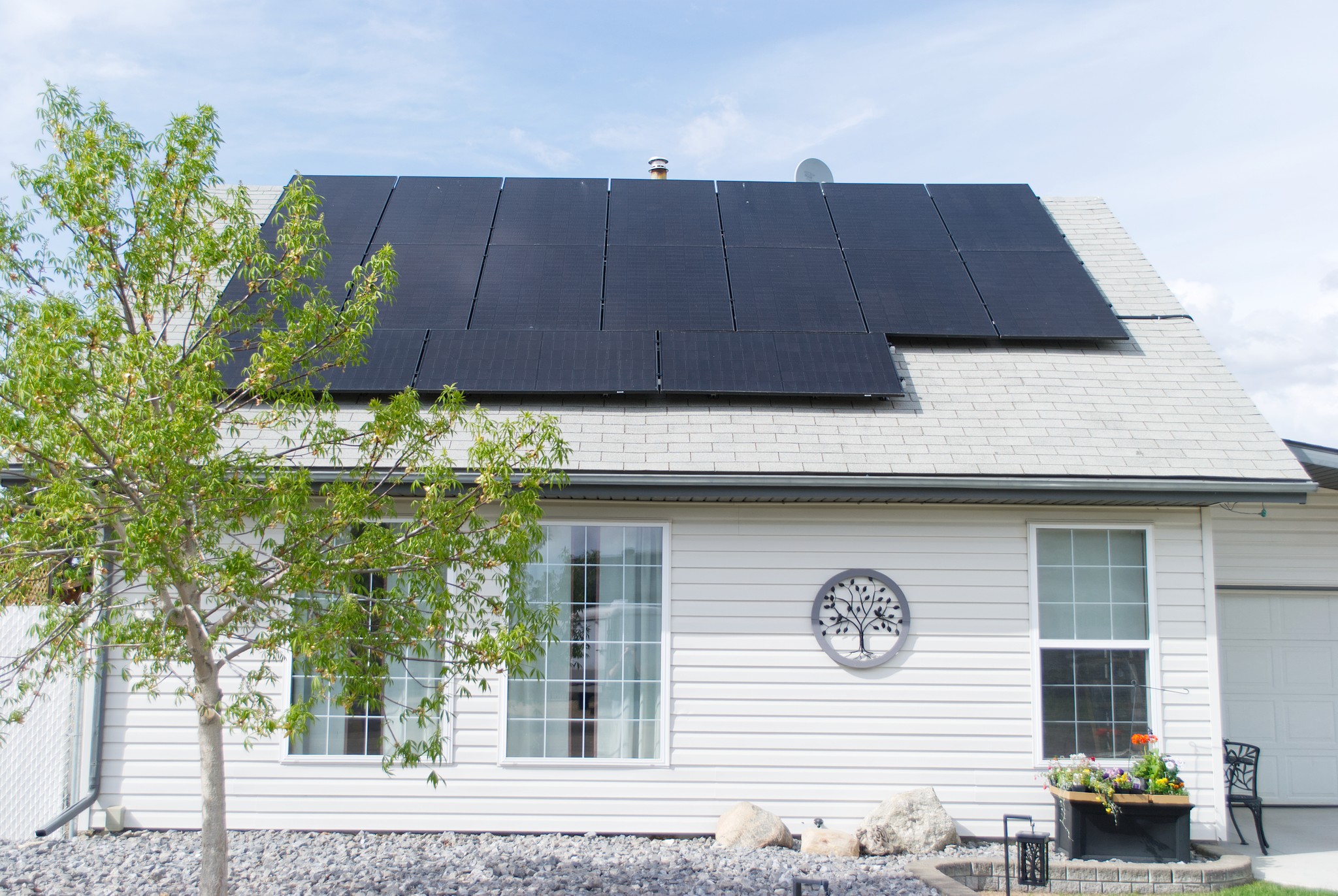
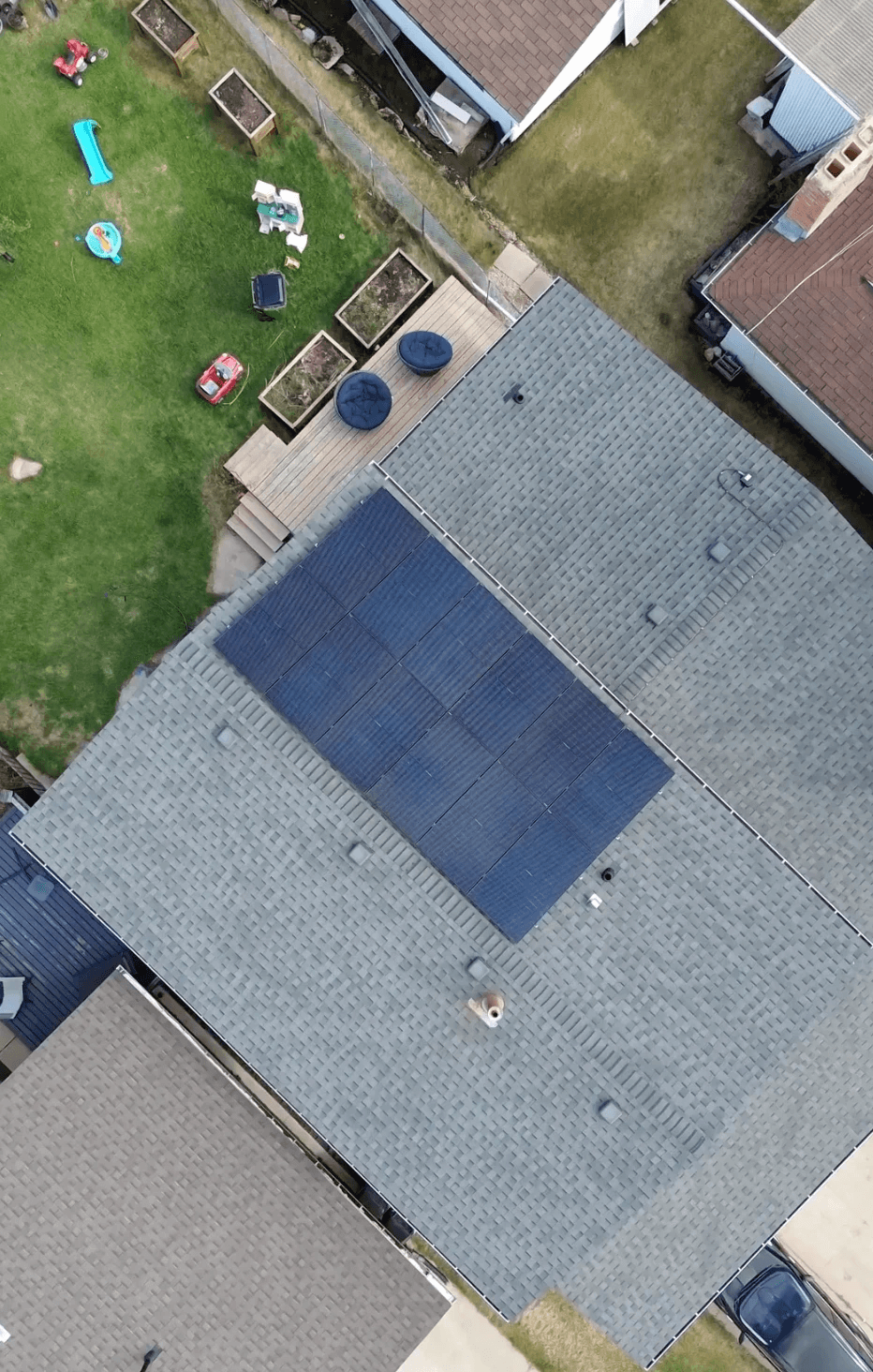
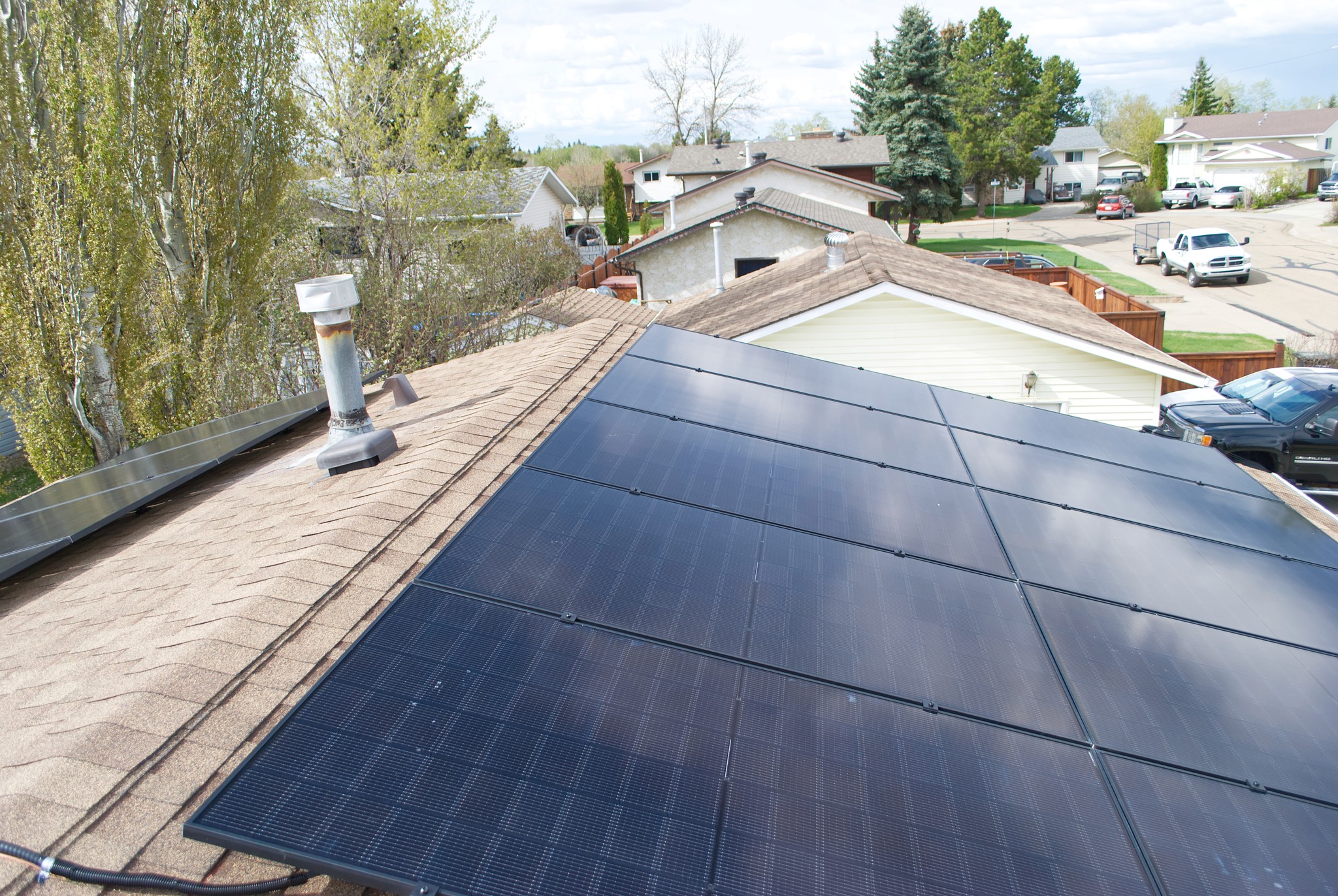
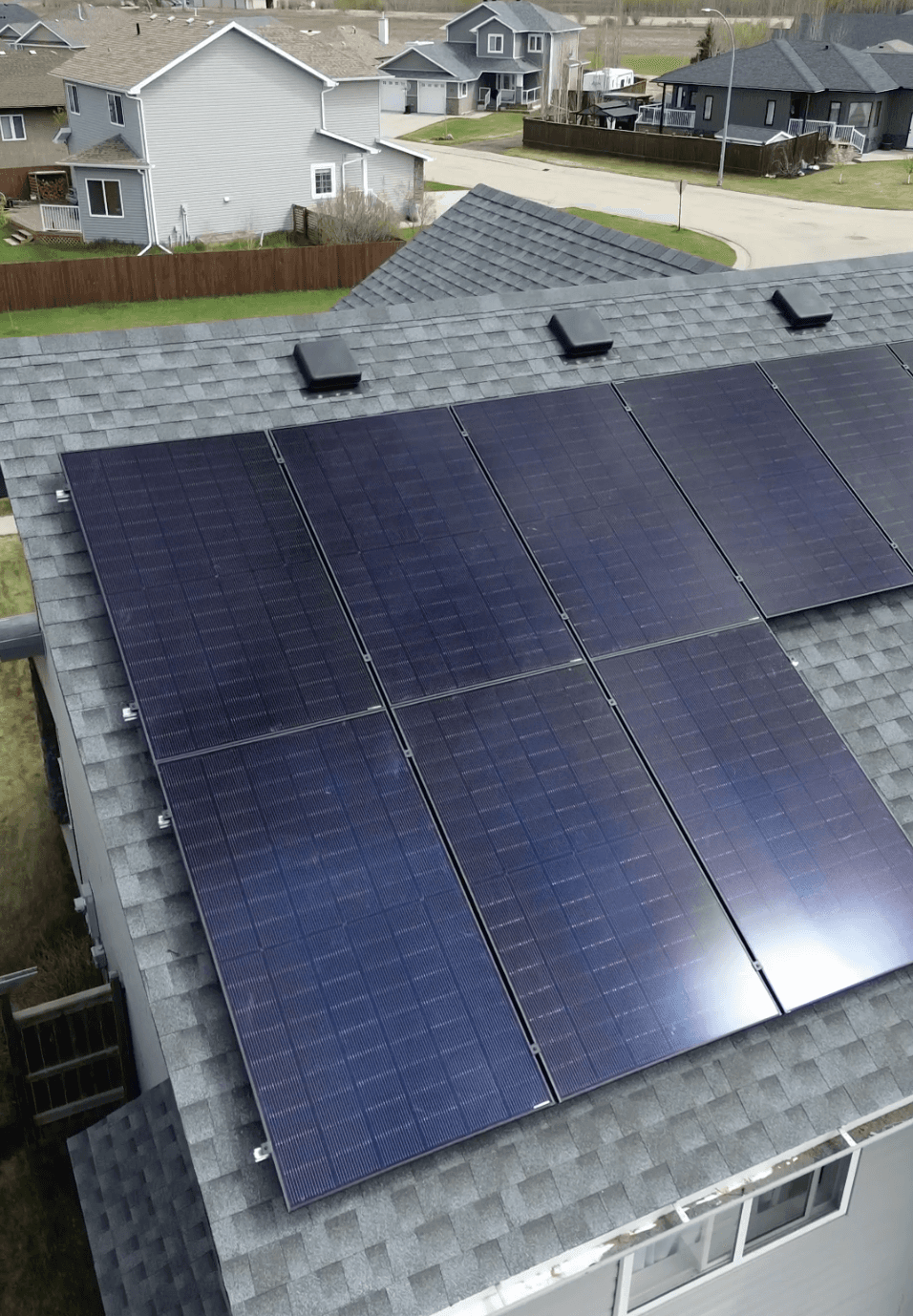
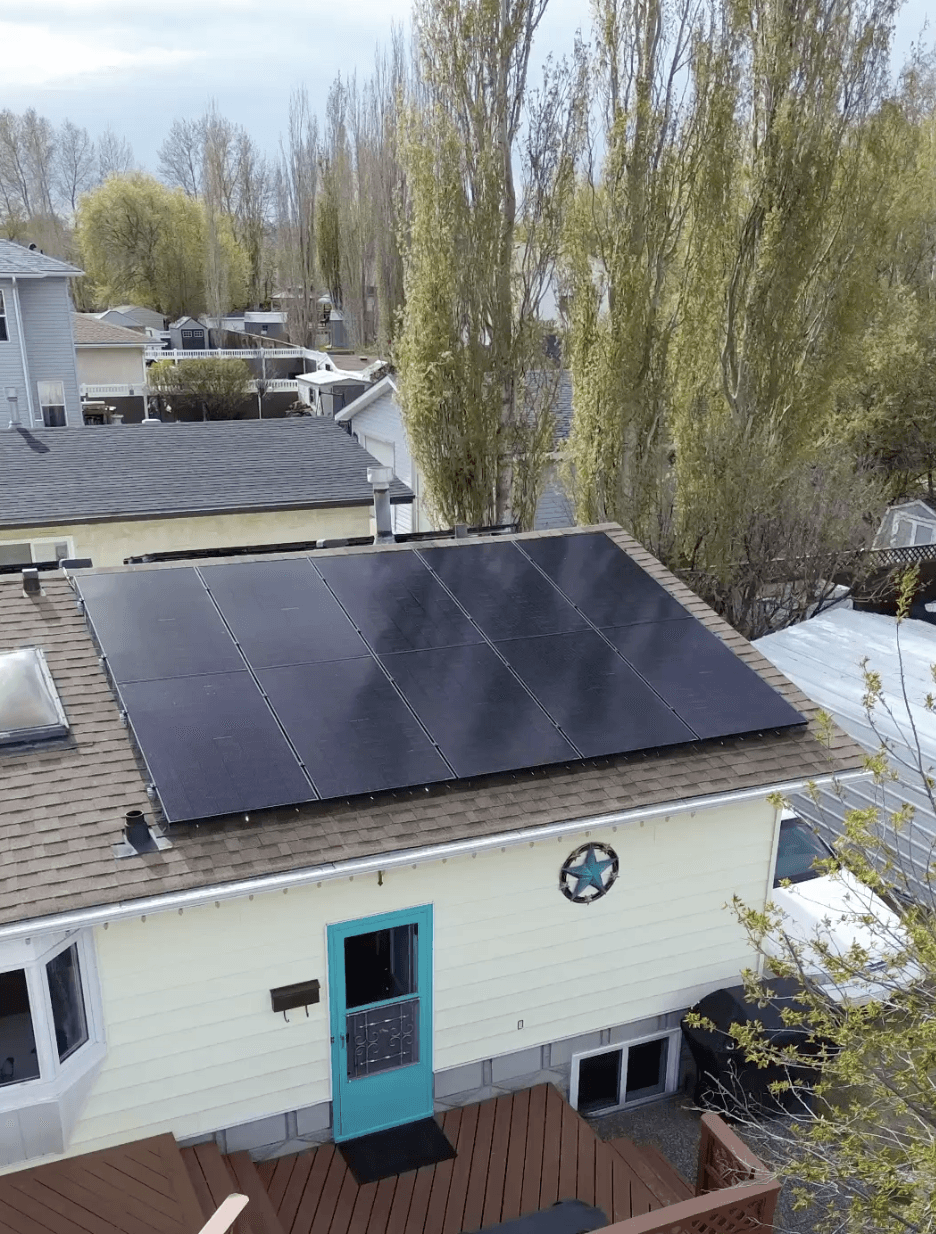
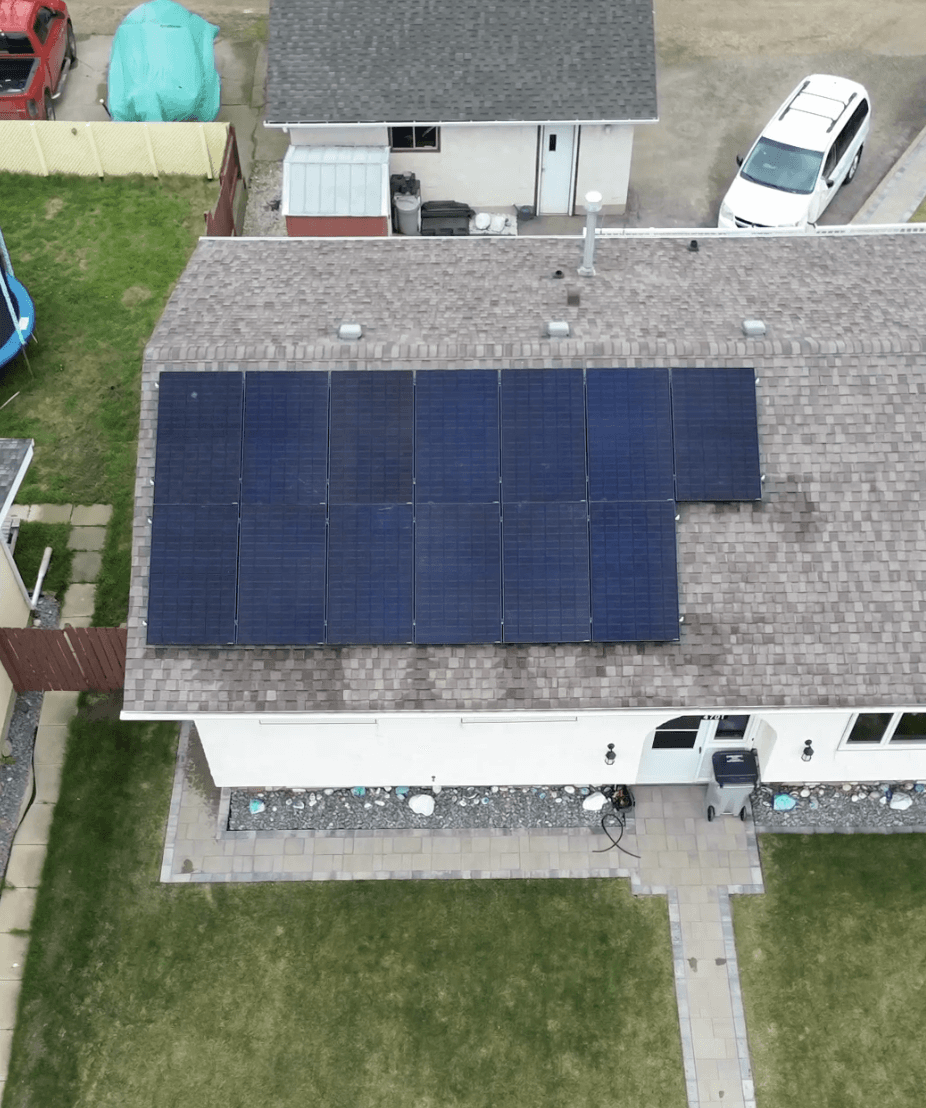
Residential solar energy systems work by converting sunlight into electricity through the use of photovoltaic (PV) cells. These cells are typically installed on the roof of a home or in an area where they can receive maximum sunlight exposure. When sunlight hits the PV cells, it creates an electrical current that flows through wires to an inverter, which converts the direct current (DC) electricity produced by the cells into alternating current (AC) electricity, which can be used to power household appliances and electronics.
Do I need a battery?
Residential solar systems don't require batteries! This is the most common misconception we hear today. Through what's called a Net Metering Agreement with your utility provider, the grid is used as storage, and whatever power you generate that isn't immediately used, is sold back to the utility at an agreed rate. This allows solar in Canada to work on an annual basis, with peak production and credits built in the summer, to be used and drawn upon throughout the winter.
What is net billing? Do I need it?
Net billing is the process in which your electrical utility allows you to sell your excess electricity back to them. It is necessary if you want to have a solar system without batteries (which we highly recommend).
What happens during bad weather?
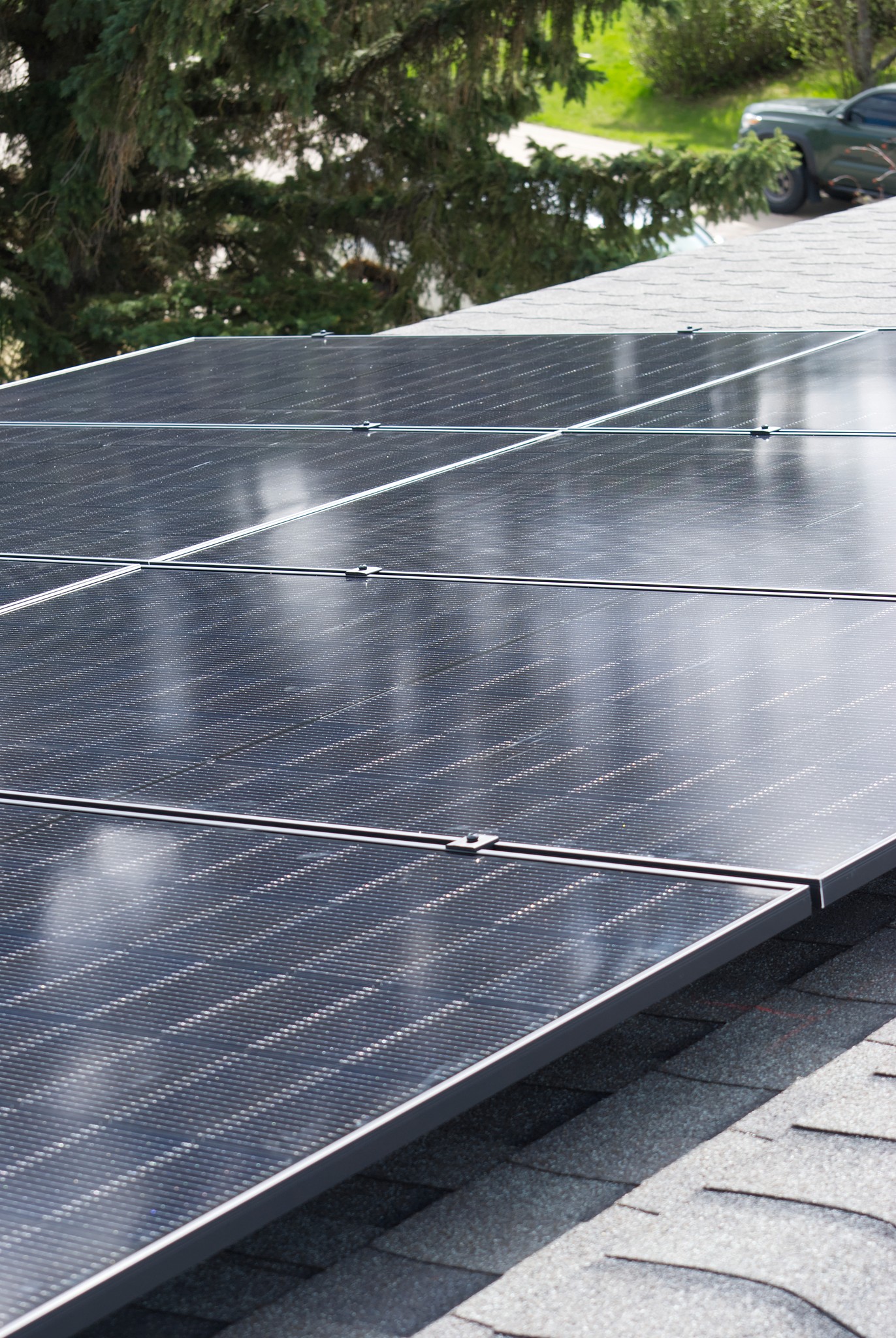
At Ark, we source premium solar panels that can generate electricity even in bad weather. We use high-quality panels that are efficient in low-light conditions and microinverters to ensure optimal performance even when panels are partially obstructed. We often get asked what happens in the event of snowfall on the panels. A study from Northern Alberta Institute of Technology has shown that snow only affects solar panel production by 2.2% per year, and snow melts faster on panels than on regular roofs. Therefore, you can produce and store enough energy in summer to cover your needs in winter. Sunny days are the best days for solar collection, but just because the sun hasn't broken through the clouds doesn't mean your panels aren't producing power. Cloudy days still produce power (the brighter the better) but if it's daylight hours, you'll still be pushing watts back into your home.
Your Home
How long does the process take?
Typically, it takes 4-6 months from the initial site audit to the activation of the system. However, the duration may differ for each household, influenced by factors such as the application process, permitting requirements, and other variables. During the process, we have experienced Project Managers to assist and expedite the process.
What if I need to get my roof replaced?
If your roof is over 15 years old or has damage, it's best to re-roof before installing solar to avoid extra uninstall/reinstall costs. That's why we have a site survey to reduce the risk of having to replace your roof during your project timeline. Our panels are rated for extreme weather and can often extend the lifespan of shingles beneath them!
How do I know my system is performing?
Our Project Managers will help you get set up with a backend monitoring app to watch for system statuses and energy production levels over time. You'll be able to see what each panel is producing at any time!
Who can I contact about my system?
Each project has a dedicated Project Manager that can answer your questions and provide support. Once you are ready to move forward, during the welcome call, you will be introduced to your personal Project Manager, who you can reach out to directly for any project-specific questions.
What happens when I move?
The great thing about solar is that since it lowers utility costs, it can increase the value of your home. A meta study done in 2019 by Zillow found that homes with solar panels sold for about 4.1% more than homes with no solar panels.
Costs & Financing
What are the upfront costs for solar?
Homeowners often choose to spread the cost of solar over time using a variety of financing options, instead of paying out of pocket. Some homeowners explore options such as municipal financing programs, home equity line of credits, or mortgage refinancing. We can connect you with third-party providers, but all financing advice is provided by licensed professionals. Depending on your situation, solar can be a monthly investment that is offset by the savings of your current electricity bill — this means you could redirect most of your electricity bill towards an asset you own. To begin your project, we require a $1,500 deposit, which is fully refunded upon project completion.
Will I still have an electricity bill after solar?
Your bill is split into two parts: electricity rates and admin fees. Solar will reduce your electricity rate charges and variable admin fees (based on energy use). Your credits can cover fixed charges (daily grid connection fees) during high production months.
How much can I save by going solar?
The amount of savings you can achieve depends on your current home energy usage, roof space, and orientation of your home. We create a customized system for you that maximizes these savings. Our design utilizes the most sun-exposed areas with highly efficient panels. Contact us now to receive a free proposal, and we will take care of everything else for you!
Solar in Alberta
How do credits for my extra power work?
We recommend enrolling in Solar Club which is an energy buyback program that improves the savings for people with solar panels in Alberta. This program lets you sell excess energy at a higher rate (30¢/kWh) during high-production months (spring and summer) and switch to a lower rate (9.45¢/kWh) during low-production months. These credits help offset winter costs, and you can even receive cash back on unused credits.
What is the CEIP?
The Clean Energy Improvement Program lets Edmonton homeowners finance solar through their property tax bill instead of a separate loan. The city pays Ark directly, and you repay in small increments added to your property taxes.
Does solar work in Alberta winters?
Yes. Your system produces power year-round and banks credits during the long summer days. When winter comes and production slows down, you draw on those credits instead of paying full price for grid power. Most Alberta homeowners end up with a surplus by the end of summer that carries them through to spring.